
Diagnostic Centre in Lake Town, Kolkata: A Guide to Diagnostic Tests and Preventive Healthcare
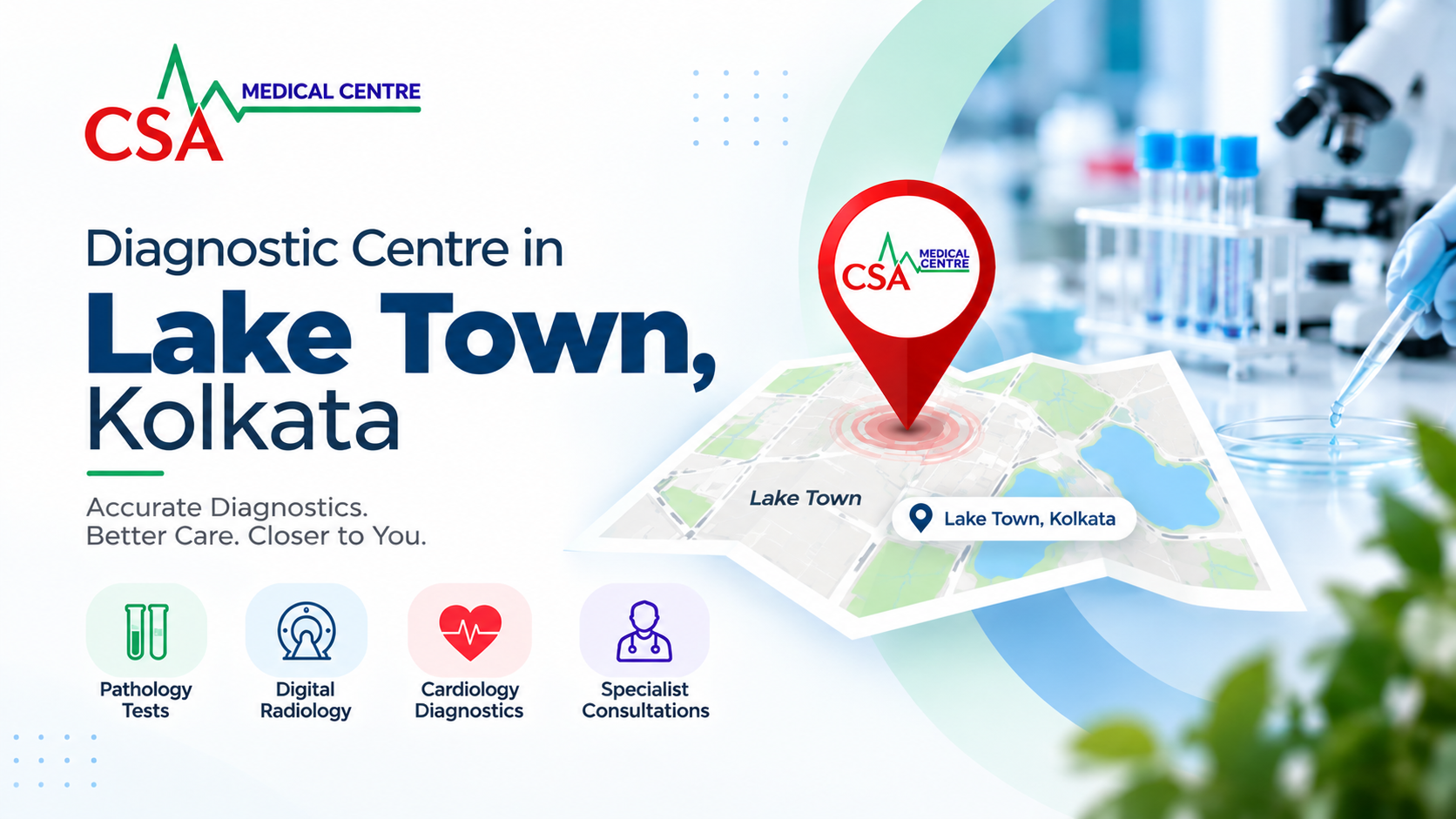
Lake Town is one of North-East Kolkata’s most established residential and commercial neighbourhoods. Situated along VIP Road and closely connected to Bangur Avenue, South Dum Dum, and Ultadanga, families and working professionals living here frequently require prompt, dependable medical investigations. Whether you need doctor-prescribed routine blood work, fasting diabetic panels, annual preventive health checkups, or specialized digital radiology, finding the right diagnostic facility makes a critical difference in healthcare decisions.
While Lake Town and its nearby avenues host several local sample collection counters, many medical investigations require automated on-site analyzers, pathologist verification, and strict cold-chain controls. Located just 10 to 15 minutes away across VIP Road at AG 22, Sector II, Salt Lake, CSA Medical Centre operates an NABL-accredited (ISO 15189) diagnostic facility and polyclinic providing comprehensive pathology, digital imaging, specialist doctor chambers, and punctual home sample collection for residents across Lake Town.
Need a Test or Health Checkup in Lake Town?
Confirm test availability, home collection slots, or doctor consultation schedules.
Why Choose the Right Diagnostic Centre in Lake Town, Kolkata?
Diagnostic testing guides approximately 70% of all clinical decision-making, from diagnosing chronic conditions such as diabetes and hypertension to evaluating acute infections and monitoring post-operative recovery. When searching for a diagnostic centre in Lake Town, Kolkata, evaluating the operational standards behind the laboratory is essential for receiving dependable results.
Standardized analytical protocols, internal daily calibrations, and multi-tier quality checks prevent instrumental drift and testing discrepancies, ensuring results accurately reflect biological health.
Automated counters provide raw numbers, but qualified pathologists and biochemists review abnormal flags, clinical correlations, and peripheral blood smears to prevent diagnostic oversights.
Sterile vacutainers, precise phlebotomy techniques, and temperature-controlled sample transport prevent haemolysis and cellular breakdown, maintaining specimen stability from collection to analysis.
Ethical healthcare centres provide clearly published test rates, detailed fasting instructions, and prompt delivery of signed digital reports via WhatsApp and email without unexpected charges.
Common Diagnostic Tests and Investigations
Understanding the purpose of common diagnostic investigations helps patients prepare appropriately and interpret their medical discussions effectively. Below are primary categories of investigations routinely requested by clinicians across Kolkata.
1. Blood Tests and Routine Pathology Investigations
The Complete Blood Count (CBC) with Erythrocyte Sedimentation Rate (ESR) is the cornerstone of diagnostic pathology. It quantifies red blood cells, total and differential white blood cells, haemoglobin, and platelets. Doctors recommend CBCs to investigate fatigue, fever, anaemia, inflammation, and immune responses. Routine biochemistry also covers blood grouping (ABO & Rh factor) and inflammatory markers like C-Reactive Protein (CRP).
2. Blood Sugar and Diabetes-Related Testing
With diabetes prevalent across urban West Bengal, regular monitoring is crucial. A Fasting Blood Glucose (FBS) test measures baseline glucose after an overnight fast, while Post-Prandial Blood Sugar (PPBS) assesses glucose levels two hours after a standard meal. For long-term monitoring, the HbA1c test reflects average blood sugar control over the preceding 90 days without being influenced by short-term dietary variations.
3. Thyroid Function Testing
Thyroid disorders affect metabolism, energy levels, weight, and cardiovascular rhythm. The Thyroid Stimulating Hormone (TSH) test is the initial screening investigation for hypo- or hyperthyroidism. When further clarity is needed, physicians order a complete Thyroid Profile including Free T3 (FT3) and Free T4 (FT4) to evaluate glandular activity with clinical accuracy.
4. Liver and Kidney Function Tests (LFT & KFT)
The Liver Function Test (LFT) evaluates hepatic enzymes (SGPT/ALT, SGOT/AST, Alkaline Phosphatase), Bilirubin levels, and Total Proteins to assess liver health and bile metabolism. The Kidney Function Test (KFT/RFT) measures Serum Creatinine, Blood Urea Nitrogen (BUN), and Serum Uric Acid, enabling early detection of renal strain, dehydration, or medication-related metabolic side effects.
5. Lipid Profile and Cardiovascular Risk Investigations
Cardiovascular evaluations require a comprehensive Lipid Profile including Total Cholesterol, High-Density Lipoprotein (HDL / "good cholesterol"), Low-Density Lipoprotein (LDL / "bad cholesterol"), Very-Low-Density Lipoprotein (VLDL), and Serum Triglycerides. These parameters help cardiologists and physicians calculate atherogenic risk and design dietary or therapeutic interventions.
6. Urine Tests and Other Laboratory Investigations
Routine Urine Examination (RE/ME) provides critical insight into kidney function, systemic metabolic disorders, and urinary tract infections. It detects microscopic traces of blood, protein, glucose, pus cells, and casts. When bacterial infection is suspected, Urine Culture and Sensitivity tests determine the exact pathogen and suitable antibiotic therapy.
7. Imaging and Cardiac Diagnostics (X-Ray, USG, ECG & Echo)
Beyond clinical pathology, advanced diagnostic facilities provide digital radiological imaging and non-invasive cardiac tools:
- High-Frequency Digital X-Ray: Low-dose digital radiography for chest examinations, bone fractures, and joint evaluations.
- High-Resolution Ultrasonography (USG): Abdominal and pelvic ultrasound scans performed by consultant radiologists for liver, gallbladder, kidneys, and obstetric assessment.
- 12-Lead Digital ECG: Instantaneous electrical recording of cardiac rhythm and rate to evaluate chest pain, palpitations, or hypertension.
- 2D Echocardiography (Echo) & Colour Doppler: Detailed ultrasound evaluation of cardiac chambers, valves, and ejection fraction.
Summary of Common Investigations & Protocols
| Test Name | Category | Fasting Requirement | Turnaround Time |
|---|---|---|---|
| Complete Blood Count (CBC & ESR) | Haematology | No fasting needed | Same-Day Report |
| Fasting Blood Sugar (FBS) | Biochemistry | 10–12 hrs overnight fast | Same-Day Report |
| HbA1c (Glycated Haemoglobin) | Diabetology | No fasting required | Same-Day Report |
| Lipid Profile (Full Panel) | Cardiovascular | 10–12 hrs overnight fast | Same-Day Report |
| Liver Function Test (LFT) | Hepatic Panel | Preferred (8–10 hrs) | Same-Day Report |
| Kidney Function Test (KFT / RFT) | Renal Panel | No mandatory fasting | Same-Day Report |
| Thyroid Stimulating Hormone (TSH) | Endocrinology | Morning sample preferred | Same-Day Report |
| Urine Routine & Microscopic (RE/ME) | Clinical Pathology | First morning mid-stream | Same-Day Report |
| High-Resolution Digital X-Ray | Radiology | No fasting needed | Same-Day Digital Film & Report |
| 12-Lead Electrocardiogram (ECG) | Cardiology | No fasting needed | Immediate Printout & Verified Report |
* Turnaround times refer to routine working hours at CSA Medical Centre. Specific specialized investigations may follow dedicated processing schedules.
Preventive Health Checkups for Individuals and Families
Lifestyle diseases such as dyslipidaemia, essential hypertension, fatty liver disease, and early-stage diabetes often develop silently over several years without noticeable early symptoms. Periodic preventive health screenings help individuals establish baseline benchmarks, identify subtle clinical trends, and make timely lifestyle adjustments before irreversible physiological damage occurs.
Routine Monitoring (20s–30s)
Focuses on haemoglobin, fasting blood sugar, lipid ratios, basic liver enzymes, and urine routine to establish baseline metabolic health and counter urban sedentary strain.
Cardiometabolic Risk (35s–50s)
Adds HbA1c, high-sensitivity lipid fractioning, kidney panels, resting ECG, uric acid, and thyroid evaluation to monitor cardiovascular risk and metabolic syndrome indicators.
Senior Citizen Screenings (50+)
Comprehensive assessments covering cardiac diagnostics (2D Echo/ECG), digital chest X-Rays, bone mineral/electrolytes, prostate/gynaecological markers, and complete organ panels.
Personalized Doctor Recommendations Matter
Universal screening packages are not a replacement for clinical advice. Doctors recommend specific tests based on individual family history, pre-existing symptoms, age, and medication regimens. Always review package reports with a qualified physician to interpret results within your clinical context.
How to Prepare for a Diagnostic Test
Pre-analytical factors—including diet, hydration, physical exertion, and medication timing—can influence blood parameters. Following responsible pre-test preparation ensures your diagnostic report reflects accurate clinical values.
How to Find a Diagnostic Centre Near Lake Town, Kolkata
When seeking medical diagnostic services in or around Lake Town, evaluate neighbouring facilities based on accessibility, quality assurance, and on-site capabilities rather than solely proximity. Here is how residents across Lake Town, Bangur Avenue, and South Dum Dum evaluate their diagnostic options:
In-House Testing vs. Sample Hand-Offs
Many local roadside collection booths in residential areas do not process tests on site; they collect blood samples and hand them off to distant third-party hub laboratories. Dedicated centres with in-house automated testing process specimens immediately, preventing cellular degradation.
Travel Convenience Across VIP Road
Lake Town connects effortlessly with Salt Lake Sector 1 and Sector 2 via Ultadanga or the Salt Lake Bypass. Driving to AG 22, Sector II (near AG Block Park) takes approximately 10 to 15 minutes, making comprehensive diagnostic investigations easily accessible.
Recognized Quality Benchmarks
Verify whether the centre adheres to National Accreditation Board for Testing and Calibration Laboratories (NABL) ISO 15189 guidelines. NABL accreditation enforces strict standard operating procedures, regular proficiency testing, and traceable analytical accuracy.
Doorstep Home Collection Reliability
For elderly family members, post-surgery patients, or busy working professionals in Lake Town, reliable home sample collection starting from 6:30 AM allows safe, fasting blood draws without early morning travel or waiting in queues.
Why Consider CSA Medical Centre?
CSA Medical Centre does not operate a physical branch within Lake Town itself. Instead, its central, NABL-accredited diagnostic laboratory and specialist polyclinic are situated conveniently at AG 22, Sector II, Salt Lake, Kolkata – 700091—a short 10-to-15-minute commute from Lake Town across VIP Road and Ultadanga.
NABL Accredited (ISO 15189)
Automated biochemistry, haematology, clinical pathology, and hormone immunoassays verified through rigorous quality control systems.
WBHS Empanelled & Affiliated
Official empanelment under the West Bengal Health Scheme (WBHS), covering diagnostic investigations with official itemized billing for state government beneficiaries.
600+ Transparent Test Rates
All diagnostic test charges are publicly listed on our official website with no hidden fees or arbitrary pricing tiers.
Specialist Doctor Chambers (OPD)
Connect your test results with consultant physicians, cardiologists, gynaecologists, and orthopaedists practicing at our outpatient department.
Doorstep Home Collection
Trained phlebotomists collect fasting blood samples from Lake Town residences starting from 6:30 AM daily with cold-chain specimen transport.
Same-Day Digital Delivery
Pathologist-signed PDF reports delivered directly to your WhatsApp and email, alongside printed report collection at our reception.
Frequently Asked Questions: Diagnostic Services in Lake Town
Answers to common queries regarding test availability, preparation, quality standards, and visiting CSA Medical Centre from Lake Town, Kolkata.
When looking for a diagnostic centre in Lake Town, check whether you require a simple blood collection point or a fully equipped diagnostic laboratory that performs on-site automated testing, digital imaging (X-Ray, USG), and cardiac investigations. Evaluate whether the facility operates under recognized quality standards such as NABL ISO 15189 compliance, provides transparent test pricing, and ensures timely, verified reports.